

Is print marketing still effective in a digital-first world? Yes, when a physical touchpoint can do something useful that another format cannot do as well.
Print no longer needs to compete with digital or carry an entire campaign on its own. Used at the right moment, for the right audience, with a clear purpose, it can still create experiences digital cannot replicate.
The real question is not whether print marketing is dead. It is when print is the right format for the job, how it should connect with digital, and whether it can meaningfully support a business objective.
What you’ll learn:
- When print marketing earns its cost and when it doesn’t
- How print and digital work together instead of competing
- Where print still performs best (packaging, merchandise, signage, direct mail)
- How to measure a print campaign without guessing
Quick Answer: When Does Print Marketing Still Make Sense?
Print marketing still makes sense when a physical format helps the right audience notice, understand, experience, or act on something better than another channel would at that moment.
It is particularly useful when print supports a real-world experience, helps people revisit information, influences a decision at the point of interaction, or connects naturally with a wider digital journey. Print should not be used simply because it is traditional or because a physical piece feels more premium. Like any marketing investment, it needs a clear job and a reason to justify its cost.
How Print Marketing Works With Digital Today
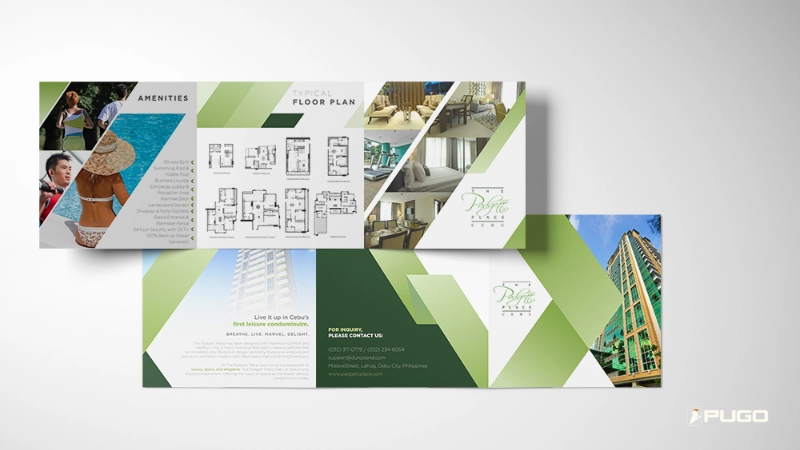
One of the biggest changes in how print is used today is that it no longer has to carry an entire conversation on its own. A printed piece can introduce an idea and lead into a more detailed digital experience, just as a digital interaction can eventually lead to a physical one.
A brochure may help someone quickly understand an offer before directing them to a page with more information. Materials handed out at an event can give people a useful reminder of a conversation while making it easier to continue afterward. Packaging can extend beyond the moment of purchase by connecting customers to product information, support, or the next relevant part of the brand experience.
This connected approach shows up in direct mail too. Lob’s 2026 State of Direct Mail report points to businesses increasingly linking direct mail with customer data, delivery logistics, and multiple response signals, rather than treating physical campaigns as separate from the rest of their marketing.
That does not mean every printed piece needs a QR code. Adding one does not automatically make a campaign more effective. The physical material still needs a clear reason to exist, and any digital destination should offer a meaningful next step rather than sending people somewhere generic.
A better approach considers the entire experience together. What does this person need when they encounter the printed piece? What should it help them notice, understand, or decide? If there is a next step, where should that naturally take them?
When Does Print Work Better Than Another Digital Touchpoint?
Print works better than digital when the physical format creates an experience a screen cannot, such as being held, worn, displayed, or encountered somewhere the customer is already present and paying attention.
Digital has real advantages. It is fast to publish and update, easy to scale, searchable, shareable, and usually easier to measure. For many situations, it is the more practical choice.
Print’s advantages come from context. A package is held and opened. A menu is used while someone is deciding. Signage becomes part of the environment where a customer already stands. A well-designed proposal can sit on a desk and get revisited after a meeting ends.
A business card handed over after a meaningful conversation does not need to do the same job as a cold email. A brochure picked up at an industry event reaches someone in a different state of mind than someone scrolling social media. Packaging becomes part of the experience after someone has already decided to buy.
So the better question is not “should we use print or digital?” It is “what is happening when this person encounters our brand, and what format would help them most right now?”
The same logic applies to choosing between printed formats. A flyer and a brochure serve different purposes, and the better choice depends on what the audience needs to know. We cover that decision in more detail in Brochures vs. Flyers: Which Is Best for Marketing?
Every Touchpoint Needs a Job
Too many businesses create print just because it seems expected. A brochure becomes a box to tick. A flyer gets made because an event is approaching. A banner gets ordered because there’s empty wall space.
None of these choices answer the real question: what should this piece actually achieve? Before deciding what to design, decide what job this touchpoint needs to do.
Who Is It For?
Don’t stop at broad market descriptions. Name the specific person.
- First-time visitor?
- Existing customer?
- Comparing options?
- Fresh from a conversation with you?
Their stage defines what they need to know — and how much they’re ready to hear.
When Will They Encounter It?
Context matters as much as audience. Someone researching a business from their phone late at night is in a different situation than someone standing at an industry event or in front of a product display. The message, amount of information, and format that work in one situation may not work in another.
Why Should This Be Physical?
This may be the most important question. If the same message would work better as an email, webpage, or social post, there is little reason to print it. But when a physical format helps someone notice something in their environment, revisit information, support a conversation, or experience the brand more directly, print may offer something digital does not. That is a broader principle worth applying to every project: understand what a piece needs to achieve before deciding how it should look.
What Should Happen Next?
Not every printed piece needs to send someone online. Sometimes its purpose is simply to inform, reassure, or improve an experience in the moment. When there is a next action, it should be clear and intentional, whether that means visiting a page, booking an appointment, or getting in touch.
How Print Fits Into the Modern Customer Journey
Customers do not separate a website, social media, sales conversations, and printed materials into neat categories. They form one impression of a business based on everything they encounter. If a website says one thing, a sales team says another, and a brochure feels like it belongs to a different company, that inconsistency creates friction.
A brochure might introduce the right question while a landing page provides more detail. An email might continue the conversation while a salesperson addresses concerns before a decision gets made. Each interaction has its own role, but together they should feel like the same brand.
That is also why a clear position matters before a business starts producing individual marketing materials. How to Use Positioning to Help Your Brand Stand Out covers how to define that position before you start designing around it.
How Can You Measure Print Marketing?
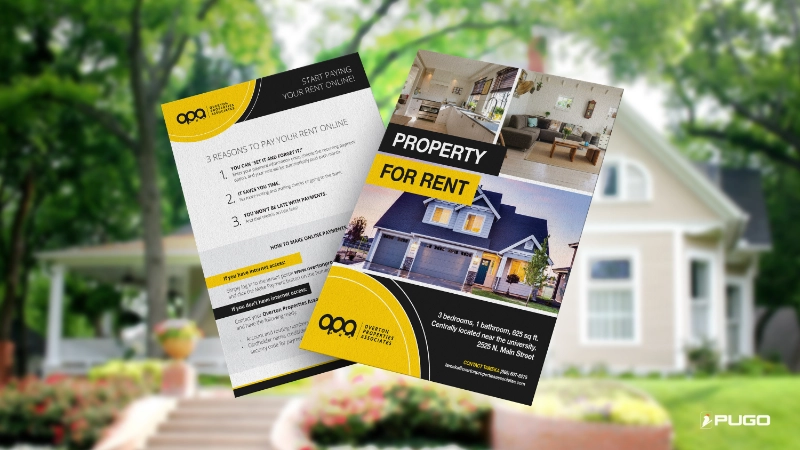
Print can be measured through QR codes linked to landing pages, campaign-specific and personalized URLs, UTM tracking, unique promo or redemption codes, dedicated phone numbers, and CRM or automation connections, though rarely as precisely as a digital click.
The technology itself should not become the focus. A QR code is only useful when it creates a better next step, and tracking only matters when you know what you’re trying to learn. Maybe the goal is understanding whether a campaign generated qualified visits, whether recipients took a specific action, or whether one message outperformed another.
Recent direct-mail research points in the same direction, with marketers using a wider mix of response signals because no single measurement tells the whole story. Those decisions should shape the campaign before anything goes to print, not get bolted on afterward as a code added to a design.
Print Has to Earn Its Cost
Businesses should not use print because it feels premium, and they should not reject it because digital seems cheaper. Each format has costs, limitations, and situations where it makes more sense.
Print requires investment in production and distribution, and materials become wasteful when poorly targeted or outdated. A large print run may look efficient on paper without creating more value.
Consider whether you are reaching the right audience, whether a physical format is useful at that moment, how long the material will stay relevant, and what outcome the investment should contribute to. In some situations, a smaller, more targeted print effort is far more useful than producing thousands of pieces for a broad audience. In others, the best decision is not to print anything at all. That is not a failure of print. It is the format following the strategy instead of becoming the strategy.
Once print is the right call, execution still matters. Small production mistakes can undermine a strong idea, which is why it’s worth reviewing Top Print Design Mistakes to Avoid before sending work to production.
Where Is Print Marketing Still Effective?
When a physical touchpoint has a clear job, print remains an important part of the customer experience in several specific situations.
Packaging
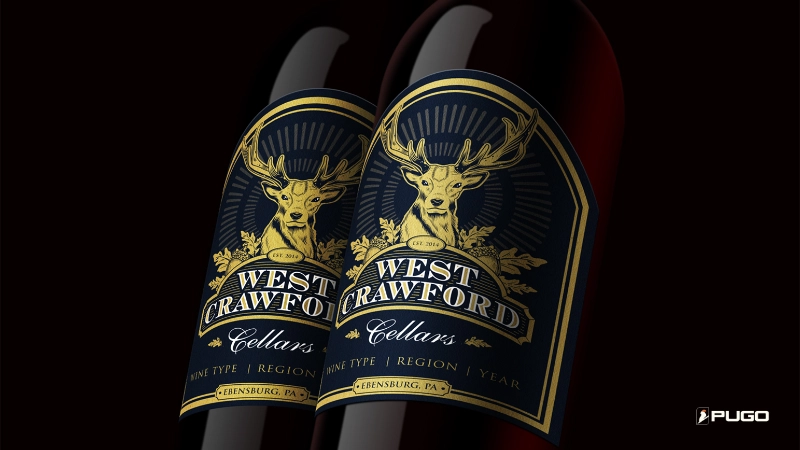
Packaging is one of the closest interactions a customer has with a brand, and it cannot be digitized. The moment someone picks up a product, packaging is already doing its job of communicating quality, positioning, and attention to detail, no app or webpage can substitute for that. It can also extend the experience by connecting people to instructions, support, or the next relevant interaction. See how branding and physical packaging work together in Pugo’s logo, branding, and label design for Gracie’s Greens.
Branded Merchandise
Branded merchandise creates repeated exposure that digital content cannot match. A branded mug puts your logo in front of someone every morning with their coffee, not once, but daily, for as long as they keep using it. A branded shirt does the same thing in public: people wear it because they’re proud to, and everyone who sees it on the street sees the brand too. Digital content gets scrolled past and forgotten in seconds. A shirt in someone’s closet or a mug on someone’s desk does not disappear after one impression. We cover how to get this right in 5 Tips to Improve Your Promo Merch Designs.
Retail and Point of Sale
In retail environments, customers are often already close to making a decision. The right signage, display, menu, or printed material can help them notice what matters and choose with greater clarity. Print is not competing for attention here. It is part of the environment where the decision happens.
Events and Trade Shows
Digital follow-up may continue a relationship after an event, but the physical environment still has to do its job while people are there. Booth graphics, displays, and printed materials help visitors understand who you are before, during, and after a conversation, and make the digital follow-up feel more natural.
Sales and High-Consideration Decisions
Some purchasing decisions take time and involve more than one person. Prospects revisit information, discuss options with colleagues, and compare providers. A well-designed proposal, presentation, or leave-behind supports that process when a physical format makes information easier to use, share, or remember.
Signage and Physical Environments
Signage works because it captures attention when there is nowhere else to look. Someone stuck in traffic is bored, and a billboard is often the only thing to read. That is a captured audience with undivided attention, and it is hard to replicate with a screen someone can skip, close, or scroll past in a second. For businesses with a physical location, how people move through that space, what they notice, and how easily they understand what to do all shape their perception of the brand.
Targeted Direct Mail
Direct mail is neither automatically outdated nor automatically effective. Its value depends on who receives it, what it says, when it arrives, and what happens after. When targeted and connected to a clear objective, it becomes a deliberate part of a wider campaign rather than an isolated attempt to distribute as many pieces as possible.
What We Have Learned From Designing Physical Brand Touchpoints
At Pugo, the strongest case for print is never “print versus digital.” It’s whether a physical format can create repeated exposure, public visibility, or captured attention that a screen cannot replicate.
Packaging and labels make this obvious. The product itself is physical, so from the moment someone picks it up, print is already doing its job. There’s no digital substitute for that.
Branded merchandise makes the same case differently. A mug gets seen every morning with coffee. A shirt gets worn in public, seen by everyone nearby, and worn again tomorrow. Neither disappears after one impression the way a scrolled-past ad does.
Signage and billboards make the case through attention, not repetition. Someone stuck in traffic and bored will read a billboard because there’s nothing else to do. That’s a captured audience most digital formats can only dream of.
This is the filter we apply to every print project: can this physical format create exposure, visibility, or attention a screen genuinely can’t? When the answer is yes, print is worth the investment. When it’s no, the budget is usually better spent elsewhere.
Don’t Choose the Format Before Understanding the Problem
Many marketing projects begin in the wrong place. A business decides it needs a brochure, flyers, or more social content before anyone asks what the audience actually needs.
The better starting point is the problem: What are you trying to help people understand? What decision are they trying to make? What might be stopping them from taking the next step?
Once those questions are clearer, choosing the format becomes a strategic decision instead of a default request. Sometimes a printed piece is the best answer. Sometimes a landing page makes more sense. Often, the right solution involves several touchpoints working together. If you’re specifically considering a flyer, How to Create an Effective Flyer for Your Business can help you think through the role it needs to play before production begins.
The Future of Print Is Not About Proving It Survived
Print has survived the digital age, but that’s no longer the most interesting thing about it. What matters now is how physical and digital touchpoints work together to create a more useful, coherent customer experience.
Different moments call for different formats. Sometimes digital delivers the information best. Sometimes a physical experience adds something a screen cannot. When both have a clear role, connecting them creates a more complete experience than either delivers alone.
Businesses should not use print because it’s traditional, and they should not dismiss it because digital is newer. Use print when a physical touchpoint can do a useful job, use digital when digital suits the task better, and connect the two when the customer’s journey calls for both.
Design That Connects Touchpoints to Purpose
At Pugo, we help businesses think beyond individual marketing materials by connecting design to what customers need to understand, experience, and do. From there, we figure out how physical and digital touchpoints can work together around a clear objective, whether that means packaging, print collateral, signage, or a digital campaign.


